Yandex Pay
2024...2025
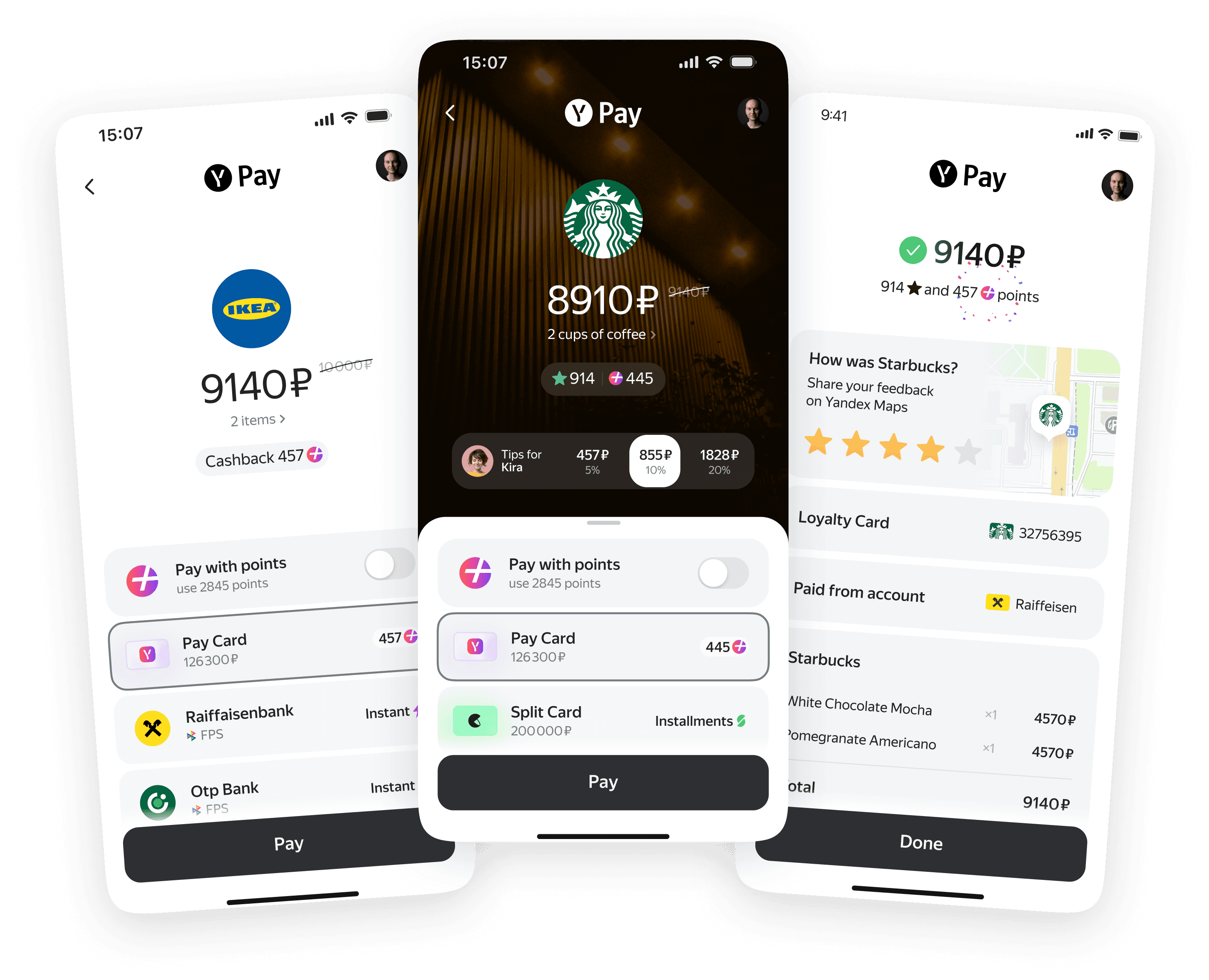
I designed a unified payment flow for Yandex Pay that scaled across web, offline QR, partner apps, and internal services—streamlining the experience for millions of users across entirely different platforms.
Summary
As Yandex Pay expanded from online to offline and in-app payments, I led the design of a cross-platform payment flow that unified the user experience across web, QR-code terminals, partner SDKs, and native services. By aligning multiple product teams around a single interaction model, we reduced user friction and enabled faster, more scalable integrations for future merchants and services.
Results
97%
CR
?
MAU
?
?
What I did
Competitive Audit
User Interface Design
User Experience Design
User Testing
Art Direction
Team
Product Manager
Product Analyst
Lead Product Designer (me)
Head Developer
Platforms
iOS
Android
Web
Context
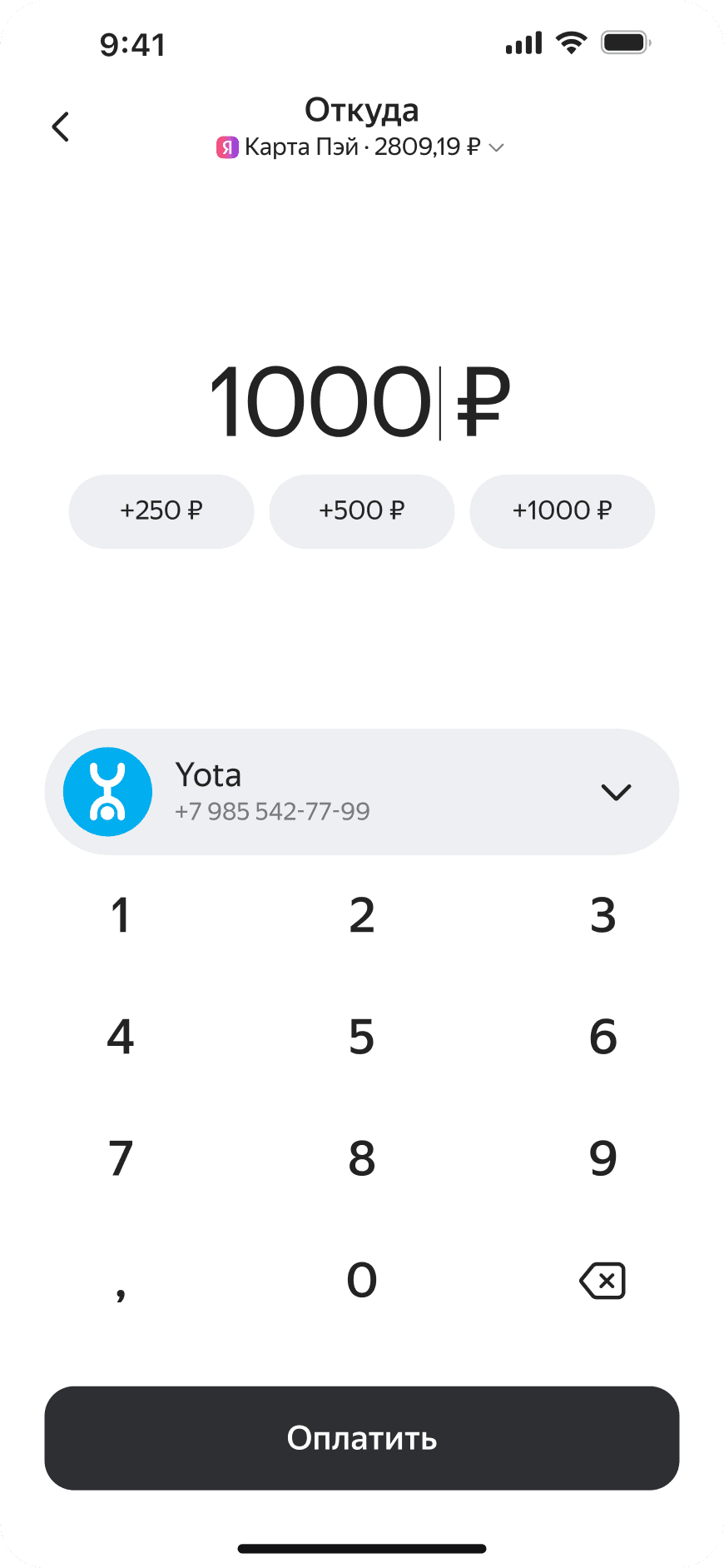
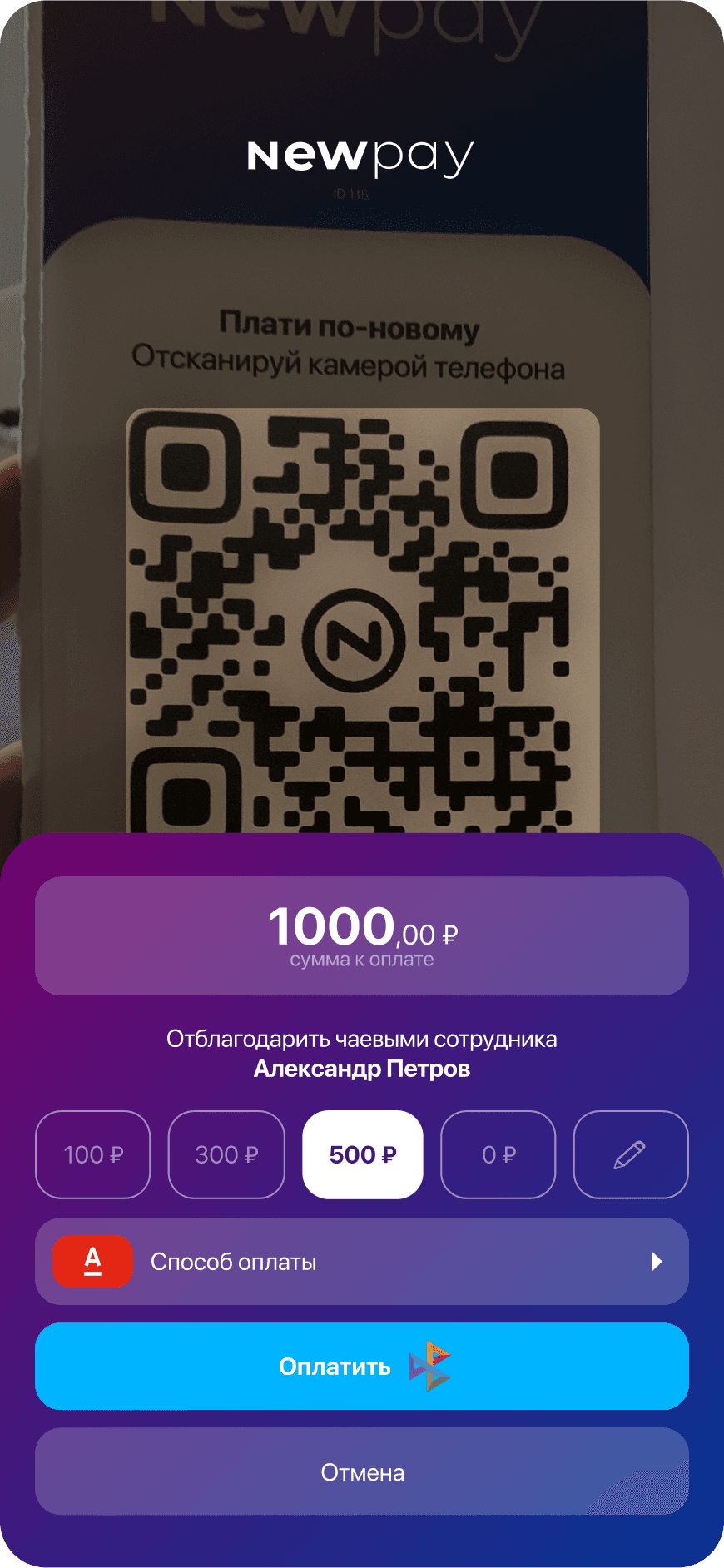
Yandex Pay started as an online payment solution for e-commerce websites. In late 2024, the company aimed to enter the offline payments market using QR codes—enabling users to pay at physical locations with the same Yandex account they already trusted online.
A key driver behind this expansion was the acquisition of New Pay, a startup specializing in QR-based point-of-sale technologies. As part of the acquisition, we had to integrate their tech stack and capabilities into Yandex Pay—while ensuring a seamless, brand-consistent experience for users and merchants.
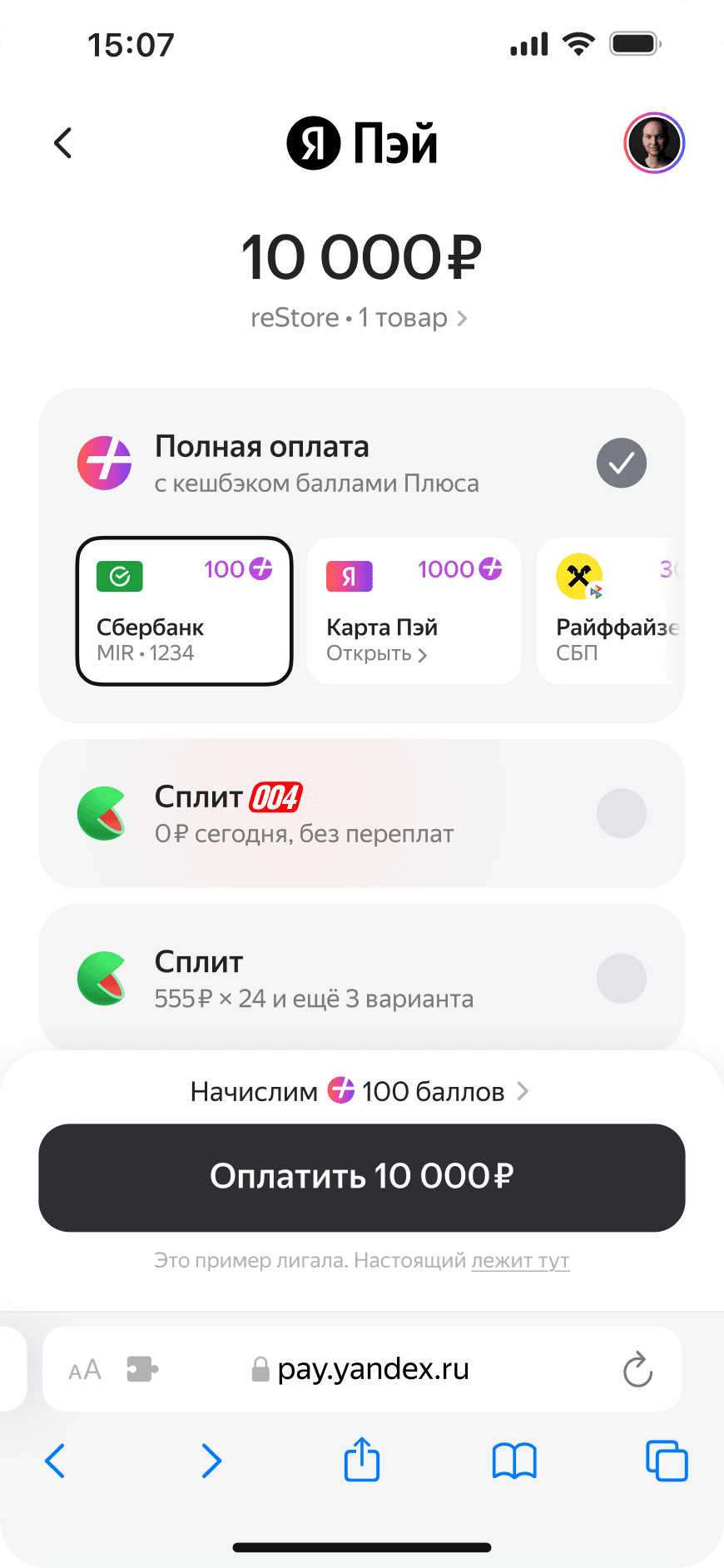
At the same time, in-app payments across Yandex’s own ecosystem and third-party apps were becoming more important. The product ecosystem was growing fast, but the experience between channels was inconsistent and fragmented.
Problem
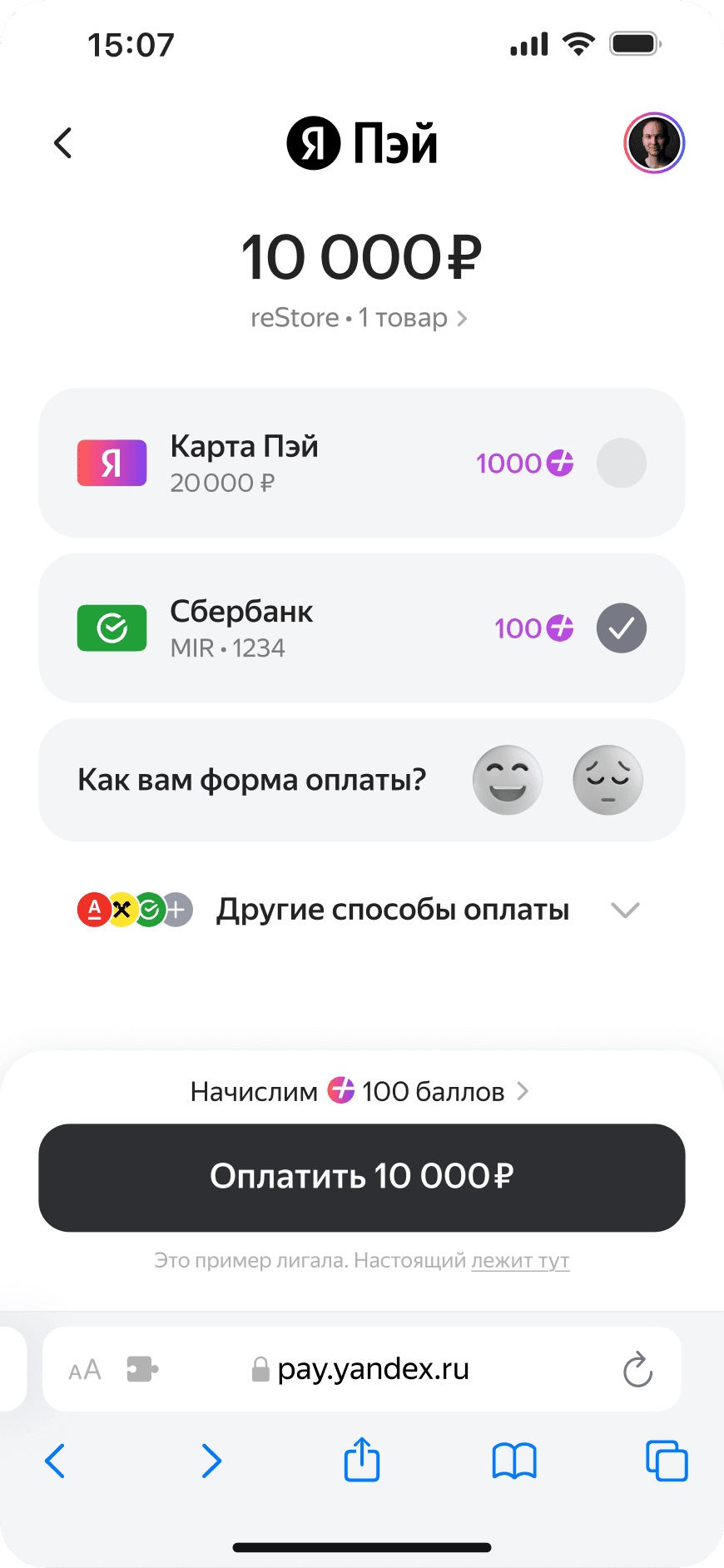
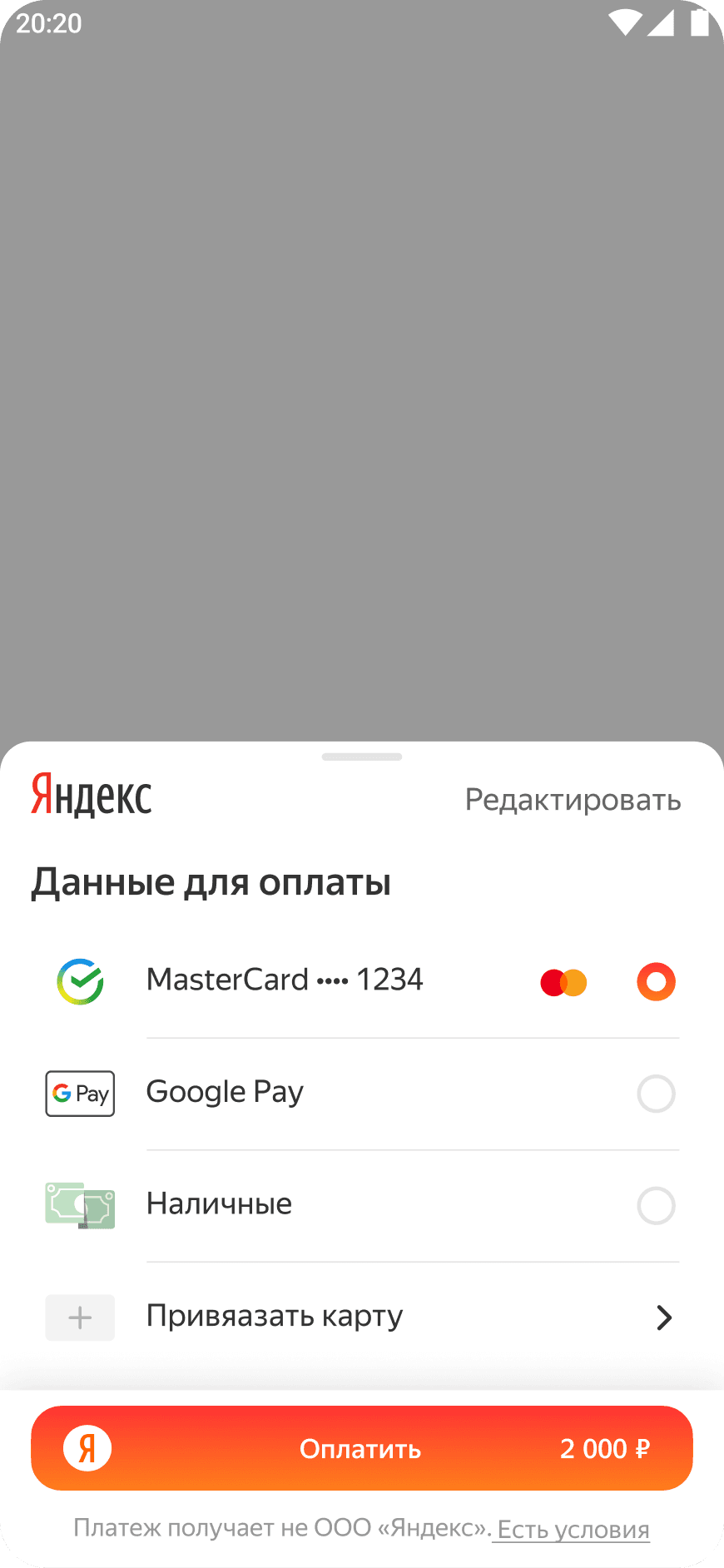
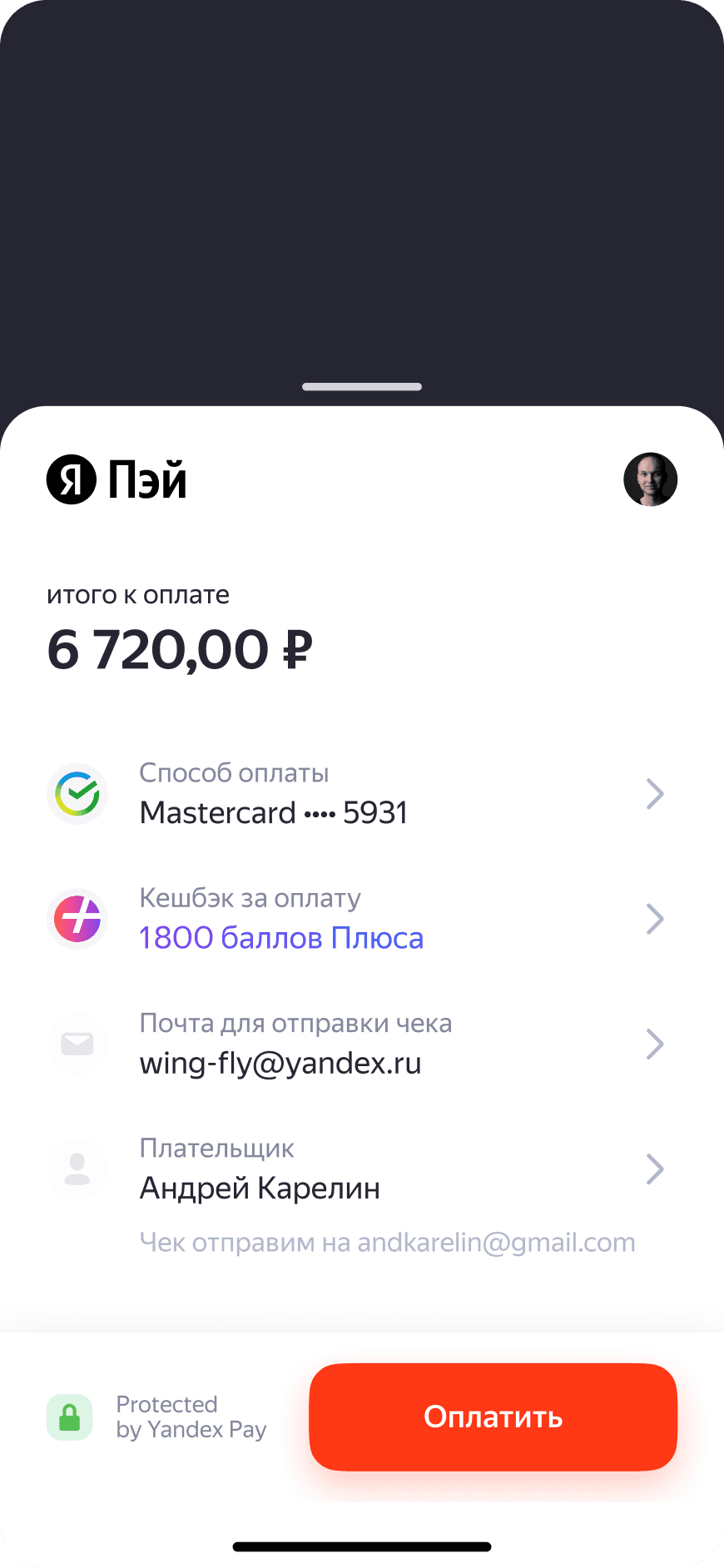
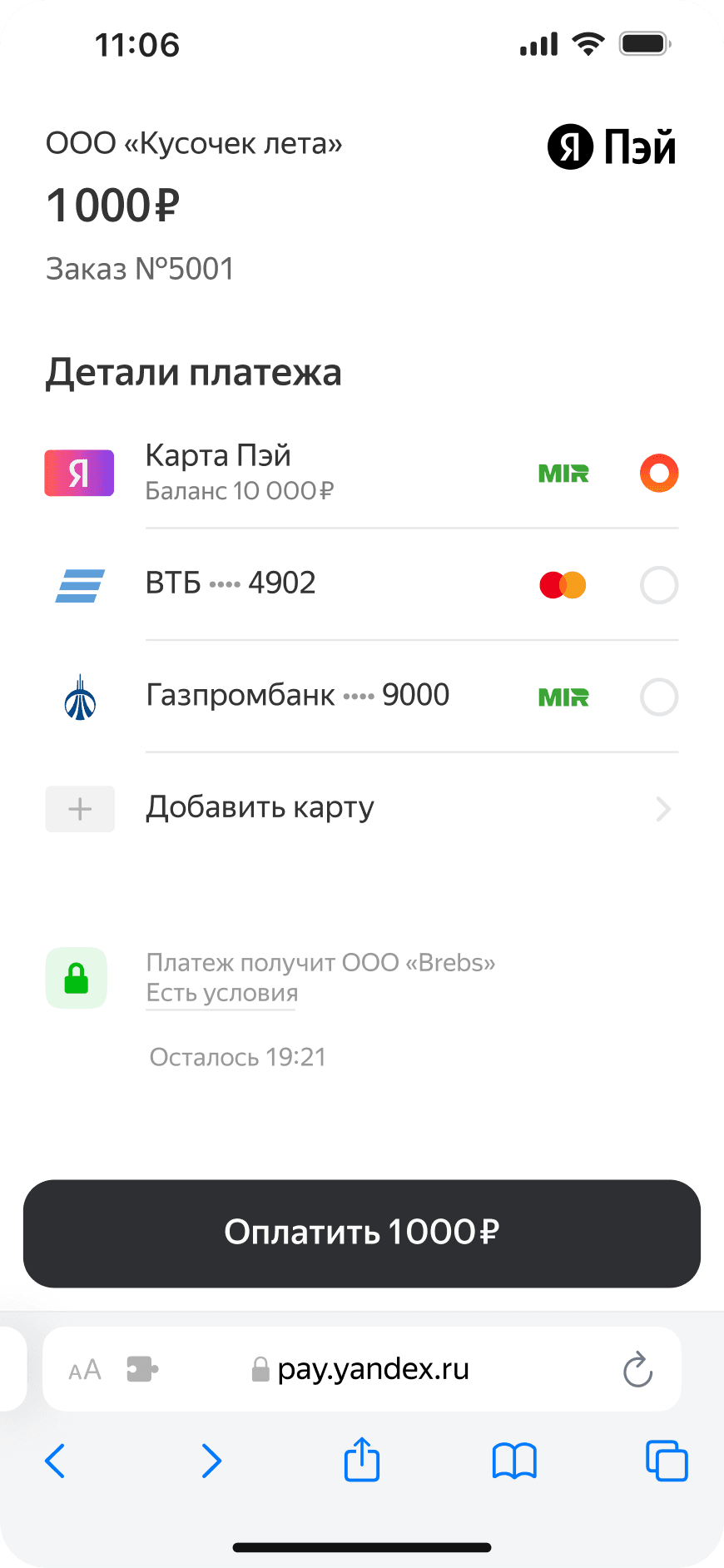
There was no common UX model across web, offline, and in-app payments.
Each team—whether online checkout, QR payments, or partner SDK—was designing flows in isolation. This caused friction for users and complexity for the product and engineering teams.
We needed to:
- Design the offline QR flow from scratch;
- Unify the visual and interaction language across all payment channels;
- Enable faster onboarding of new merchants and service teams.
- Seamlessly integrate New Pay’s QR technology into the broader Yandex Pay experience.
Goal
Create a consistent and scalable UX pattern that:
- Works equally well across web, offline, SDK, and native apps;
- Reduces cognitive load and minimizes drop-offs;
- Is flexible enough to support future payment types and partners.
Research
I began by analyzing the QR and checkout experiences of both local and global payment providers, including:
Tinkoff Pay, MTS Pay, Gazprom Pay, Alfa Pay, SberPay, SBPay, VK Pay, Apple Pay, Google Pay, and PayPal.
From this market research, I identified three consistent UX principles across the best-performing systems:
- Speed is everything – users expect payments to complete in seconds, especially in physical contexts.
- Zero mental load – payment should feel effortless, without complex decisions or branching logic.
- Trust is built visually – recognizable branding and clear confirmation flows increase conversion and reduce hesitation.
I also collaborated with our internal b2b teams to understand merchant constraints in restaurants, retail, and transport—helping shape edge cases and fallback logic.
Ideation
My goal was to design the in-store QR code payment flow and unify the visual and interaction patterns across all Yandex Pay products. The experience needed to be intuitive, fast, and flexible — while aligning with the tight 3-month timeline for MVP launch.
Prototyping
My goal was to design the in-store QR code payment flow and unify the visual and interaction patterns across all Yandex Pay products. The experience needed to be intuitive, fast, and flexible — while aligning with the tight 3-month timeline for MVP launch.
Final Design
My goal was to design the in-store QR code payment flow and unify the visual and interaction patterns across all Yandex Pay products. The experience needed to be intuitive, fast, and flexible — while aligning with the tight 3-month timeline for MVP launch.
Implementation
My goal was to design the in-store QR code payment flow and unify the visual and interaction patterns across all Yandex Pay products. The experience needed to be intuitive, fast, and flexible — while aligning with the tight 3-month timeline for MVP launch.